Two Songs, One Album: What Fela's LPs Teach Us About Buying Music Whole
Spin a physical copy of Fela Kuti's 1975 LP Expensive Shit, and the tracklist offers zero room for skipping around. The entire 12-inch vinyl record holds exactly two songs: the title track occupies all of Side A, while "Water No Get Enemy" stretches across Side B. Throughout the 1970 to 1979 classic Afrobeat vinyl pressing era, a single recording routinely claimed a whole side of wax.
On those records, an individual composition functioned as the album's structural foundation. You bought the whole slab of vinyl, dropped the needle, and accepted the extended horn arrangements, the rhythm builds, and the vocal commentary as one continuous piece of architecture.
Compare that physical standard against the digital download and streaming era, where listeners face constant nudges to cherry-pick standalone singles. Modern Nigerian albums still follow a unified architectural blueprint, only now the building blocks are split into shorter segments: spoken intros, skits, instrumental bridges, and transitions tucked right between the radio hits. Early on, we weighed whether to evaluate new digital releases through their lead radio singles alone, but we quickly mandated full-LP listens from intro to outro after seeing how much thematic context vanished whenever transitional tracks were skipped. Buying only the lead singles strips out the mortar holding the record together.
Skits, Intros and Interludes: The Connective Tissue of a Naija Album
Listen past the chart singles on modern African albums and EPs, and you encounter a rich vocabulary of non-single tracks. Audio producers and A&R teams sort through raw studio voice memos, Pidgin banter, and Yoruba street recordings during mixing sessions to select transitional audio tracks lasting something like 30 to 90 seconds that anchor an album's geographic setting.
These pieces serve distinct structural functions across a tracklist:
- Spoken-word skits and dialogue snippets: Ground the listener in a specific location—a busy Lagos bus stop, a late-night studio session, a Sunday church service, or a noisy house party, while delivering sharp cultural humor that polished pop singles rarely hold.
- Radio-style station identification intros: Establish a broadcast persona and announce core themes that the artist returns to later in the record.
- Instrumental bridges and reprises: Sit directly between high-tempo dance tracks to give your ears a breather and reset the harmonic palette before the next percussion drop.
These short tracks carry forward a long tradition of West African musical storytelling, where praise-singing, social commentary, and call-and-response sit right alongside the main melodies. Still, treating every non-musical track as essential artistic architecture falls apart when an album pads its runtime with unscripted studio chatter that even dedicated reviewers score as skip-worthy filler. When executed with care, however, a thirty-second Pidgin voice note turns a loose collection of songs into a cohesive neighborhood dispatch.
Running Order as Storytelling: How Sequencing Shapes the Listen
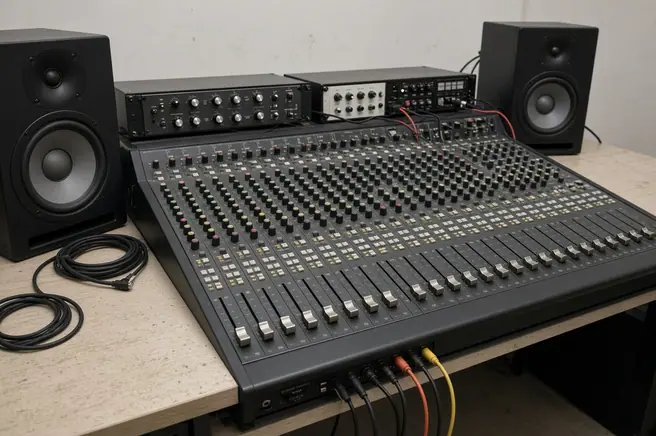
Sequencing never happens by accident. Artists, producers, and A&R teams spend weeks debating the opening statement, plotting energy arcs across a 10-track to 16-track album, deciding where mid-tempo ballads sit, and crafting the closing note. During the final stage, mastering engineers set exact crossfade overlaps and zero-crossing splice points between consecutive tracks so that an ambient street-noise intro bleeds seamlessly into the opening drum pattern without digital clicks.
Gapless Playback: Gapless playback settings in local media players read embedded frame-padding metadata to prevent silent gaps during continuous track transitions. When you buy single files out of order, those engineered overlaps snap shut.
Consider how a 12-track release might unfold when played intact. Track one opens with ambient rain and a quiet vocal prayer, crossfading directly into a kinetic second track that kicks off a four-song run of club records. Track seven drops a spoken-word interlude that shifts the mood toward reflective heartbreak for tracks eight through ten, before an acoustic outro echoes the opening prayer's melody. Grab only the three big club singles from the middle of that project—or toss them into a shuffled personal playlist—and the whole narrative arc collapses. Fades designed to bleed into the next arrangement cut off abruptly. Reprises lose the earlier melodies they were built to answer.
Full Album vs. Single-Track Purchases: A Side-by-Side Comparison
How you acquire an album shapes what actually reaches your headphones. Digital aggregators and label distribution managers routinely configure upload flags to mark extended narrative pieces or foundational interludes as "Album Only" to prevent fragmented purchasing. If you only buy à-la-carte singles, those locked tracks stay completely out of reach.
| Dimension | Full Official Album Download | Single-Track (À-La-Carte) Purchase | Unofficial Third-Party Bundles |
|---|---|---|---|
| Completeness | Includes all intros, Pidgin skits, interludes, and outros. | Omits transitional tissue; buyers typically grab only radio singles. | Frequently drops skits and non-musical bridges entirely. |
| Sequencing & Transitions | Preserves the exact 10-track to 16-track arc and crossfade overlaps. | Truncates engineered crossfades; breaks narrative continuity. | Scrambles running order; introduces dead air between crossfaded tracks. |
| "Album Only" Tracks | Unlocks all restricted narrative pieces and extended cuts. | Blocks purchase of tracks flagged as "Album Only" by the label. | Unpredictable; often missing or replaced with radio edits. |
| Edition Integrity | Clearly distinguishes standard releases from later deluxe expansions. | Mixes tracks across editions without clear timeline context. | Blends standard tracks, random leaks, and unofficial remixes. |
| Embedded Metadata | Intact ID3v2 tags, high-res cover artwork, credits, and frame-padding data. | Retains single-file tags, but lacks full-album sequential grouping in some players. | Strips ID3 track-number tags, removes artwork, and transcodes to lower-bitrate MP3s. |
| Cost Flexibility | Single upfront bundle price; high value if you want several songs. | Low initial spend for one song, but costly when buying multiple tracks. | Often advertised as free or cheap, at the cost of audio fidelity and artist pay. |
Edition timing matters just as much as store selection. Labels commonly leave 6 to 18 months, give or take, between an original standard edition launch and a re-sequenced deluxe expansion. Deluxe versions frequently tack on bonus songs, regional guest features, or remixes that alter the closing cadence of the record. Worse yet, unofficial third-party download portals routinely strip ID3 track-number tags, remove cover artwork, and transcode audio files into lower-bitrate MP3s while dropping skits entirely.
Before You Pay: A Tracklist Checklist for Nigerian Album Buyers
Protecting your listening experience takes just about 3 to 5 minutes of pre-purchase inspection across official label channels and verified review archives. Before you hit buy on your next download, run through this three-step verification:
- Verify the official tracklist at the source: Check the verified social media channels or press releases from the artists or their labels. Count the total number of tracks and note the exact placement of any intros, skits, interludes, and outros.
- Audit the digital storefront listing: Compare your official count against the store's numbered preview list. Look out for missing 30-second to 90-second interludes, tracks marked with "Album Only" flags, and edition tags indicating whether you are looking at the standard, deluxe, expanded, or clean version. Once downloaded, inspect your files for proper ID3v2 metadata tags—specifically track numbering, featured artist credits, and release edition labels, and make sure your media player's gapless playback toggle is switched on.
- Weigh the bundle price against individual singles: Add up the cost of the three or four songs you already know you want. Across legitimate digital stores, purchasing the complete album bundle frequently costs only marginally more than buying a small handful of standalone tracks, while handing you the rest of the record's architecture in the bargain.
Our Recommendation: Buy the Standard Edition First, Then Choose Your Singles
For any Nigerian album you genuinely care about, buy and download the complete standard edition from an official storefront first, turn off your hardware shuffle mode, and play the record uninterrupted from front to back at least once.
Setting aside 40 to 55 minutes, more or less, for an uninterrupted initial listening session gives you the exact core statement the artist and A&R team sequenced, long before bonus remixes or regional radio edits get bolted onto a deluxe reissue. Once you have absorbed the complete record and understand how the street-noise intros, Pidgin skits, and crossfaded bridges frame the hits, cherry-pick your favorite club tracks into your daily rotation playlists with zero guilt. Those standalone singles hit much harder once you know where they live inside the whole house.