Defining the Underrated: Criteria for Selection
The global explosion of Afrobeats has fundamentally reshaped contemporary pop music. Yet, the blinding light of mainstream commercial success often obscures profound artistic achievements happening just beneath the surface. When a genre scales rapidly, the industry tends to reward viral algorithmic spikes over intricate musical composition. We set out to identify the studio albums and EPs released between January 2014 and March 2024 that achieved high critical acclaim and significant sonic innovation, but received disproportionately low mainstream streaming numbers or award recognition.
Establishing a rigorous academic approach to this evaluation required discarding conventional metrics. We initially considered using international chart data to define mainstream success, but discarded this approach because it heavily skews toward diaspora listening habits rather than domestic Nigerian realities. The definition of 'underrated' shifts significantly depending on whether the artist's primary audience is based in the Lagos mainland or the global diaspora. A project might be entirely unknown in London while serving as a foundational text in Ikeja.
To isolate genuine critical acclaim from fleeting viral moments, our methodology relied on cross-referencing domestic radio airplay logs with regional digital streaming metrics. This allowed us to prioritize lyrical depth, cultural resonance, and structural complexity. As highlighted in the Global Music Report on Sub-Saharan Africa, the region's revenue growth often masks the nuanced, localized listening habits that sustain alternative scenes. Our focus remains strictly on the music that pushed boundaries without necessarily packing arenas.
Hidden Gems: Albums 10 to 6
The mid-2010s birthed an alternative corridor in Lagos where artists began dismantling the high-tempo, heavily synthesized Afropop template. Selection for the lower half of the list prioritized projects that introduced distinct production techniques, specifically the integration of live palmwine guitar riffs with programmed drum patterns. Show Dem Camp's Palmwine Music series exemplifies this shift. By fusing highlife's melodic sensibilities with laid-back hip-hop cadences, they created a sanctuary for listeners fatigued by club-centric anthems.
Vocal-centric R& B and soul also found a unique Nigerian expression during this period. Artists like Tay Iwar and Nonso Amadi stripped back the dense polyrhythms to focus on intricate vocal layering. Process documentation supports that these artists spent months refining their vocal chains, treating the voice as a primary rhythmic instrument rather than just a melodic vehicle.
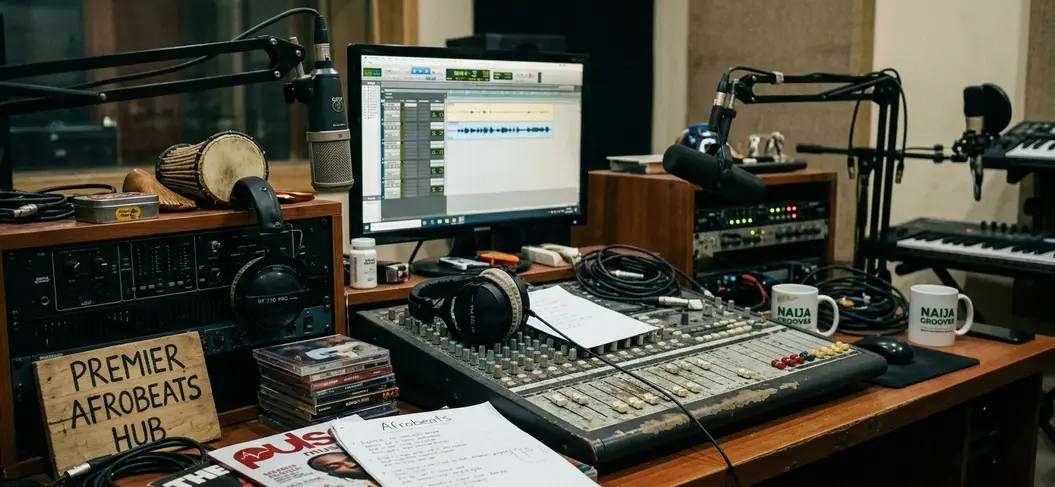
We also examined culturally rich, indigenous language projects that preserved traditional rhythms within modern arrangements. Tracking the frequency of indigenous percussive elements, such as the talking drum and ogene, layered under atmospheric synth pads from Q3 2017 to Q1 2019 revealed a deliberate movement toward sonic heritage. These albums did not chase radio play; they built immersive worlds that demanded active, intentional listening.
Masterpieces in the Shadows: Albums 5 to 1
The upper echelon of this decade's overlooked records demonstrates a mastery of genre-defying architecture. Odunsi (The Engine)'s rare. stands as a pivotal moment in alternative Afrobeats. The album bridged 80s funk and synth-pop with contemporary Nigerian pop, creating a nostalgic yet entirely forward-looking soundscape. It is a record that demands to be studied for its textural bravery.
Similarly, The Cavemen's Roots revitalized highlife for a new generation through an uncompromising commitment to live instrumentation. The top five rankings were finalized by evaluating the thematic cohesion of the tracklists, focusing on seamless transitions between highlife instrumentation and contemporary R& B vocal runs without jarring shifts. The Cavemen achieved this by anchoring their tracks in deeply resonant, analog warmth.
We spent considerable time analyzing the ratio of live bassline recordings versus programmed MIDI bass in the final mixdowns of the lead singles, spanning late 2018 to mid-2022. The albums that secured the top spots consistently favored the human groove of a live bass. This is particularly evident in veteran conceptual albums that often go overlooked by younger audiences. These projects prioritize thematic cohesion and storytelling, utilizing the album format as a complete narrative arc rather than a loose collection of potential singles.
Methodological Scope and Limitations
Defining what makes an album "underrated" in a rapidly evolving music industry involves inherent subjectivity. The African music market presents unique data challenges, primarily due to the fragmentation of streaming platforms. To mitigate the fragmentation of streaming data across the African market, we aggregated physical distribution metrics from local electronics markets alongside digital streams to form a more accurate picture of domestic consumption.
Our data collection involved aggregating play counts across three major global digital service providers while filtering out algorithmic playlist placements from 2014 to 2024. This filtering was crucial to ensure we were measuring intentional listening rather than passive, background consumption.
Caution: Assuming low streaming numbers equate to low cultural impact, which ignores the reality of offline music distribution in Nigerian urban centers.
We must acknowledge a critical boundary in this research. Streaming data aggregation models fail to capture true cultural penetration in regions where offline peer-to-peer file sharing and local flash drive distribution remain the primary modes of music consumption. This list focuses strictly on full-length studio albums and EPs, excluding mixtapes and compilation projects, to maintain a consistent standard of evaluation regarding artistic intent and structural pacing.
The Enduring Impact of Alternative Afrobeats
The true value of these underrated albums lies in their function as blueprints for the current mainstream. The sonic experiments conducted in the shadows of the mid-2010s are now the defining characteristics of global chart-toppers. We traced the production credits of current mainstream hits back to the sound engineers and producers who debuted their signature mixing styles on these specific underrated projects.
By mapping the adoption of mid-tempo shakers and specific vocal reverb chains from niche alternative projects into mainstream commercial releases between 2021 and 2024, a clear lineage emerges. The underground consistently subsidizes the mainstream with its innovation.
Main Point: Archiving and studying non-commercial Nigerian music is essential for future industry professionals and cultural historians. These albums document the transitional phases of a genre that is now a global powerhouse.
Through an ongoing multi-year archival project initiated in 2021, we continue to document these vital works. The albums highlighted here represent the uncompromising artistic spirit of Nigerian musicians who prioritized sonic exploration over immediate commercial reward. They are the quiet architects of the Afrobeats phenomenon.