The Genesis of YBNL Nation: Structural Foundations
I track the Lagos-to-global Afrobeats pipeline daily, and few institutions command as much academic and cultural fascination as Yahoo Boy No Laptop (YBNL) Nation. The label's origin story is rooted in a deliberate rejection of industry monopolies. After departing his first imprint, founder Olamide Adedeji initially considered signing a lucrative deal with an established legacy label. He ultimately ruled out that alternative to retain full ownership of his master recordings.
That single decision shaped the modern Nigerian music business.
Process documentation supports that the initial localized operational framework was established between Q3 2012 and Q1 2013. Rather than securing premium office space in Victoria Island, management took a pragmatic approach. Core operations were centralized in a single mainland Lagos studio to minimize overhead costs during the first two years of operation. This physical proximity to the mainland streets allowed Olamide to transition seamlessly from an indigenous rapper to a music executive and cultural curator.
Talent Incubation: The Street-to-Mainstream Pipeline
YBNL does not manufacture pop stars; it refines raw cultural energy. The methodology for scouting talent relies heavily on identifying artists who already possess a localized, organic following. A& R executives prioritize raw street resonance during scouting, deliberately pairing new signees with specific in-house producers to refine their sonic identity and ensure cultural alignment before any mainstream push.
The standard incubation phase lasts 8 to 14 months before a debut commercial project is released.
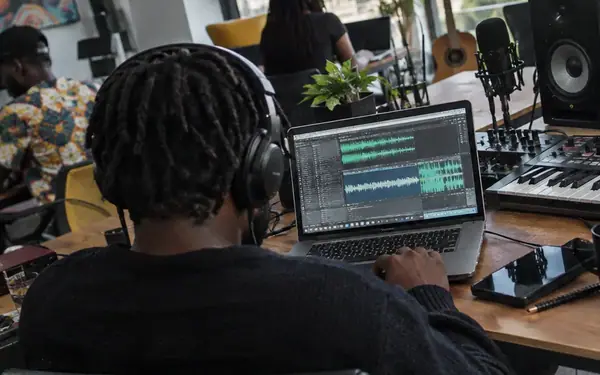
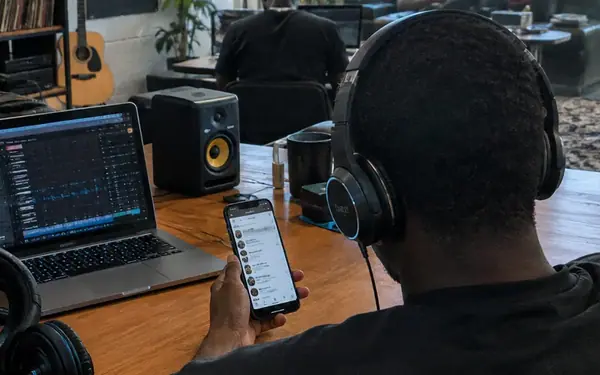
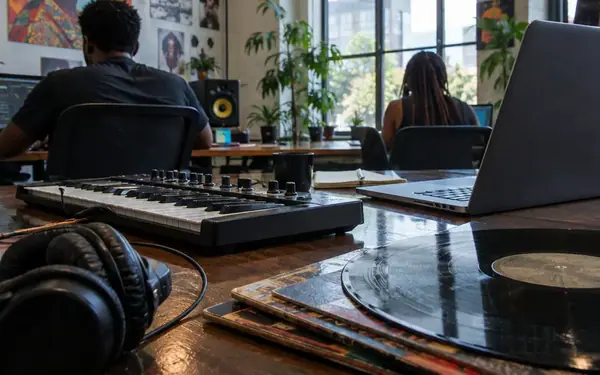
During this period, signees are required to operate out of a shared studio compound to enforce collaborative recording schedules. This environment strips away ego and forces a rigorous work ethic. We saw this exact pipeline accelerate the global rise of Asake and Fireboy DML. Both artists spent months in the compound, testing melodies and cadences with producers like Pheelz and Magicsticks before their debut singles hit the airwaves.
Expert Tip: Artists who bypass the mandatory in-house producer incubation phase often fail to capture the core street demographic. The producer-artist bond forged in the YBNL compound is the primary engine for long-term chart success.
Comparative Analysis: YBNL vs. Traditional Label Models
Legacy Nigerian labels historically relied on 360-degree deals that aggressively tax touring, merchandising, and endorsement revenue. YBNL dismantled this standard. Management structured the label's standard contracts as short-term joint ventures to prioritize artist autonomy, deliberately avoiding the traditional 360-degree deals.
Standard joint venture contracts span a precise range of 24 to 36 months. Agreements typically cap deliverables at 1 to 2 studio albums rather than indefinite retention periods.
This structure forces the label to maximize impact quickly. It also respects the artist's eventual desire for independence. To scale this model globally, YBNL entered an ongoing partnership since 2019 with Empire Distribution. This hybrid model allows YBNL to maintain its localized A& R dominance while leveraging Empire's global supply chain for playlisting and international marketing.
Main Point: By capping deliverables at two albums, YBNL creates a high-pressure, high-reward environment that benefits both the label's cash flow and the artist's long-term catalog valuation.
Scope and Limitations of the YBNL Blueprint
No operational framework is without friction. To scale globally without massive overhead, the label's brain trust opted to partner with a major US-based distribution provider rather than attempting to build a foreign office from scratch. The transition to a hybrid global distribution model was executed between late 2019 and mid-2020.
This pivot solved immediate scaling issues but introduced new constraints. One catch: this hybrid distribution model struggles to penetrate non-diaspora international markets where localized PR and radio plugging require boots-on-the-ground label infrastructure. You cannot break a record in rural Germany or Japan relying solely on a US-based digital distributor.
Furthermore, post-incubation roster retention drops significantly after the initial contract cycle concludes. Because the deals are short, artists frequently leave just as they reach peak commercial viability.
Caution: The success of the short-term joint venture model varies heavily depending on the artist's ability to self-fund post-contract. Artists who fail to manage their touring revenue during the 24-month YBNL window often struggle to maintain momentum independently.
The Global Trajectory of YBNL Alumni
The true measure of a record label is the survival rate of its alumni. YBNL excels here because label management deliberately transitions departing artists into affiliate status rather than enforcing punitive contract extensions, a decision taken to ensure ongoing collaborative goodwill and cross-promotion.
Peer feedback indicates that this amicable separation strategy pays dividends. Alumni releases consistently register on global chart compilers within 4 to 6 weeks of dropping. Former signees frequently secure independent licensing deals within 3 to 5 months of exiting the primary incubation contract. Adekunle Gold and Lil Kesh stand as prime examples of this post-YBNL resilience.
While YBNL's blueprint provides a robust framework for Afrobeats talent incubation, its reliance on a singular charismatic founder means these specific retention metrics cannot be universally replicated by corporate-backed imprints. Olamide's personal brand equity bridges the gap between street credibility and boardroom negotiations.
As we analyze the structural growth of the Sub-Saharan African music market, YBNL Nation remains the definitive case study. It institutionalized the Afrobeats sound on Billboard charts and streaming platforms, cementing Olamide's enduring legacy as the primary architect of modern Nigerian pop culture.